

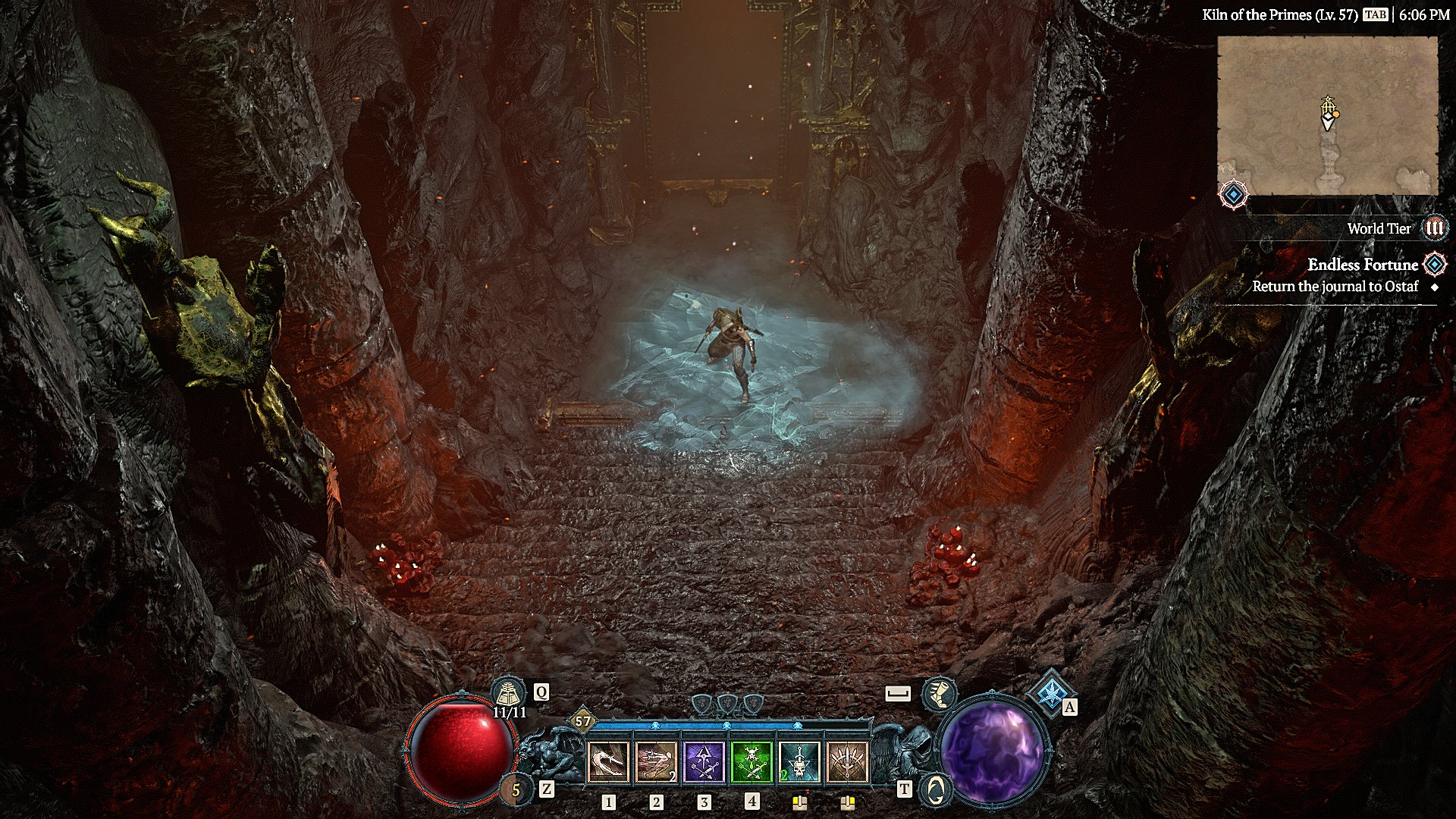

Why Build Planning Matters in Diablo 4
A Diablo 4 character is the sum of many small decisions. Which skills sit on your bar, which passives you invest in, which legendary aspects you hunt, and how you arrange your Paragon boards all shape how the game feels. A well planned build clears Nightmare dungeons smoothly and survives Torment difficulty. A random one can feel strangely fragile even at a high level.
This guide follows a build from its first skill point to its late game Paragon layout. Along the way it considers how outside help, such as a diablo 4 boost, interacts with the process of learning a class. Third-party services carry account risk and Blizzard’s terms apply, so read everything here as background rather than encouragement.
Step One: Choose a Class and a Core Skill
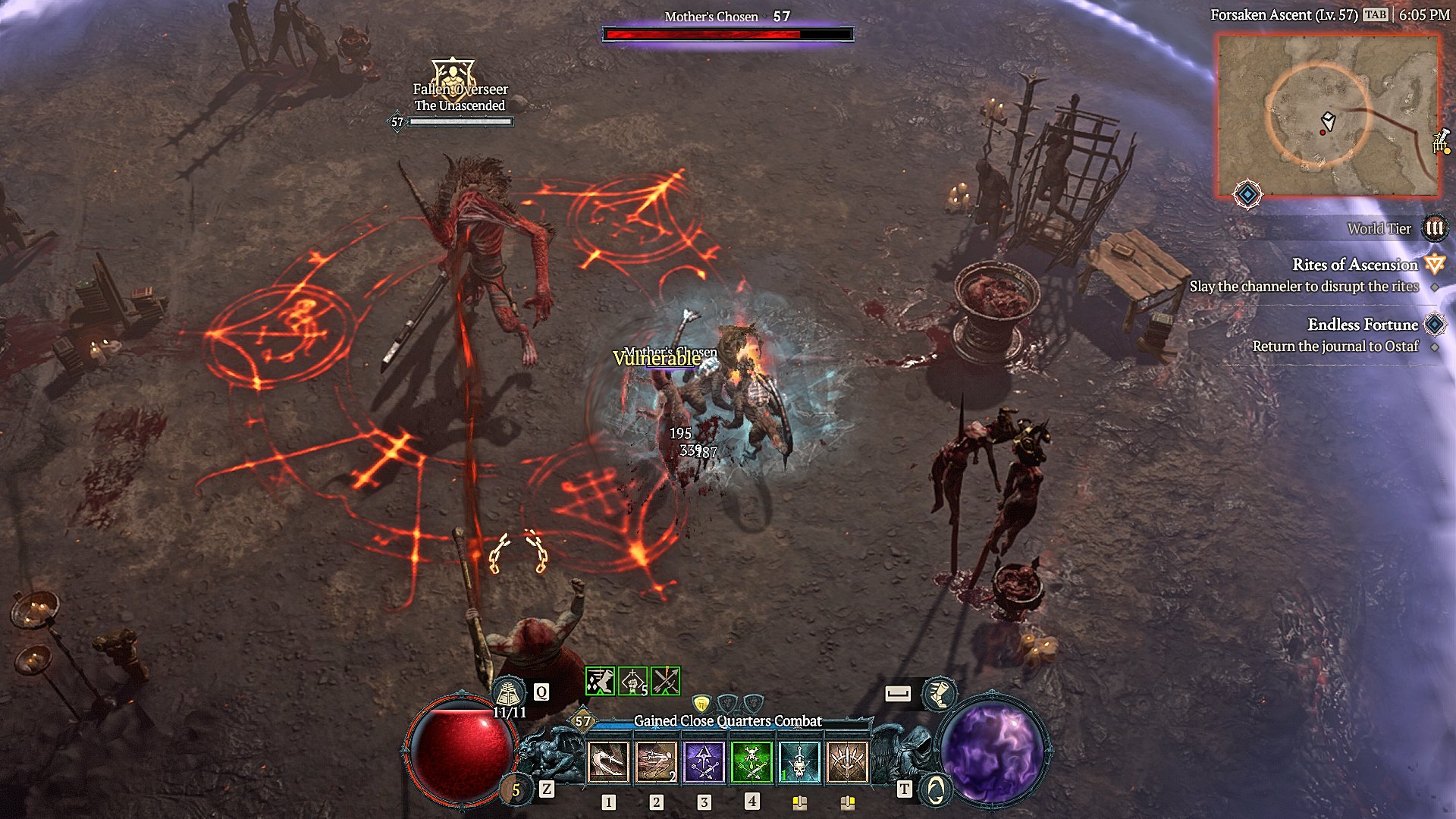
Start by picking the class that matches how you like to play. Barbarians favour weapon swapping and heavy melee, Sorcerers reward positioning and elemental timing, Rogues blend mobility with precise damage, Druids combine shapeshifting with nature magic, Necromancers manage minions and corpses, and Spiritborn leans on spirit guardians and fast movement. Each class has multiple viable directions, so there is no wrong answer, only different rhythms.
Next choose a core skill, the ability your build revolves around. Most strong builds have one primary damage source supported by utility and defence. Decide what that skill is early, because every other choice, from skill tree nodes to gear affixes, will either support it or distract from it.
Step Two: Reading the Skill Tree
The skill tree gives you points to spend on active abilities and their upgrades. Early on, you will be tempted to sample everything, and that is fine during the campaign. Experimentation is how you discover what feels good. As the level cap approaches, though, begin committing points to the skills that feed your core mechanic.
Pay attention to key passives. These powerful nodes often change how an entire build works, rewarding certain playstyles with large bonuses. Reading their descriptions carefully can prevent wasted points and is one of the most useful habits for a new player. When something looks confusing, test it on trash enemies and watch the numbers before committing.
Step Three: Gear, Aspects and Tempering
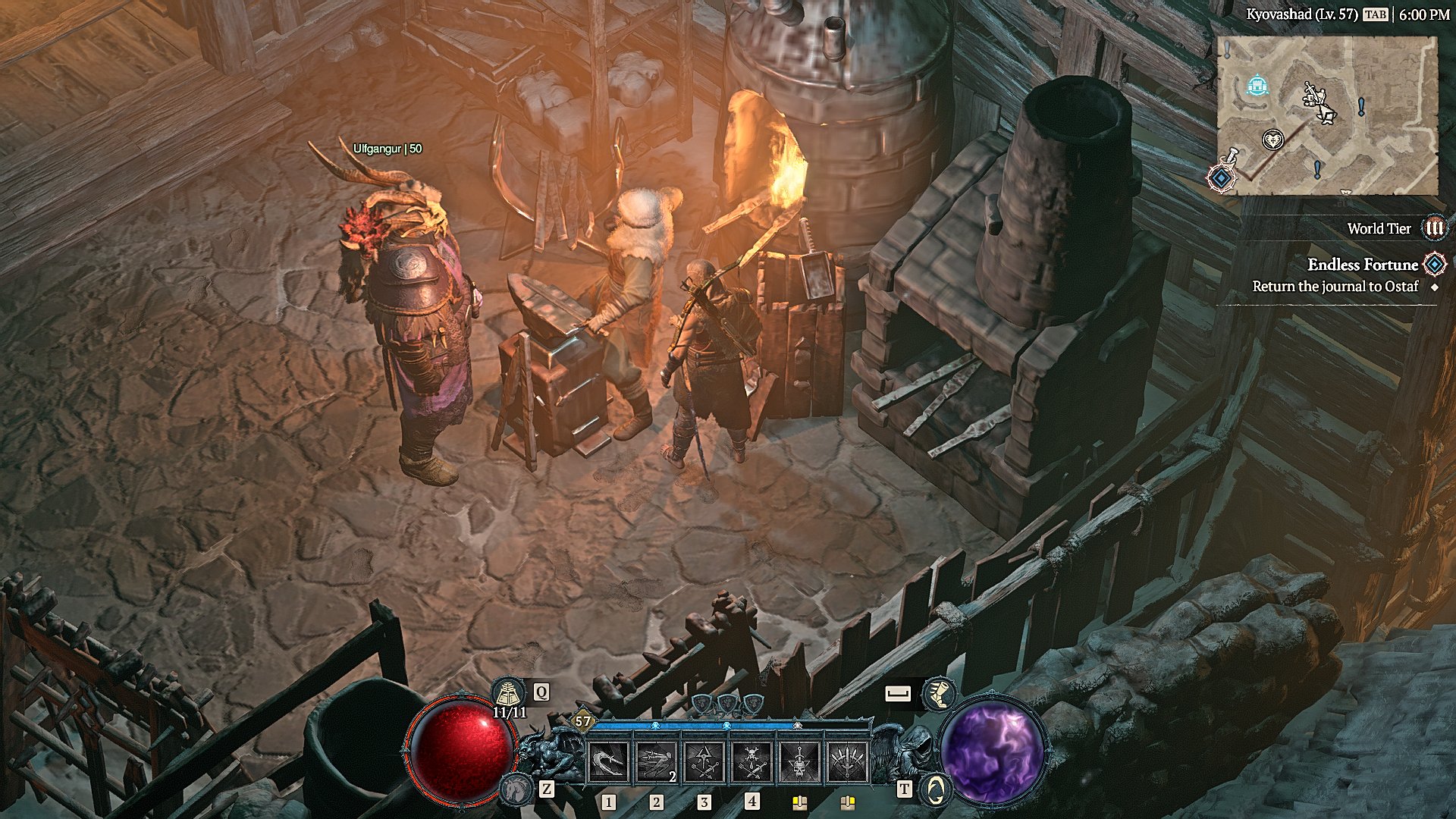
Gear in Diablo 4 is where a plan becomes tangible. Legendary aspects add special effects, affixes provide the stats that scale your damage and survivability, and systems such as tempering and masterworking let you refine items. Aim for a few important slots first, such as your weapon and amulet, and improve the rest over time.
A common beginner mistake is chasing every upgrade at once. Instead, decide on three priority stats and favour items that offer them. Keep a short list of aspects you want, and use the codex of power to learn them as you play. Over time your equipment starts to tell the story of your build.
Step Four: Paragon Boards and Glyphs
Once you pass the level cap, Paragon takes over. You unlock boards, place nodes, socket glyphs, and gradually build a web of bonuses. This system rewards patience and planning because each board connects to the next, and your choices affect where you can expand.
A practical approach is to plan the first few boards before you start. Decide which attributes matter most, pick legendary nodes that support your core skill, and choose glyphs that scale with the stats you already have. Many players keep a note of their route so they do not waste points on tempting but irrelevant bonuses. The longer you play, the more the boards feel like a second skill tree.
How a Diablo 4 Boost Interacts With Learning
Many players ask whether paid help is worth it for building a character. If you decide to diablo 4 boost, it helps to see what that service would and would not do. It might move your level or progress forward, but it cannot teach you why a skill rotation works or how your defensive cooldown fits into a fight. Those lessons only come from playing the class.
Think of it like a recipe. You can receive a finished dish, but if you never cook, you will not understand why it tastes right. Players who already know the class often benefit from the time saved, while newcomers may find that reaching endgame with unfamiliar skills is more stressful than levelling gradually.
Testing and Refining Your Build
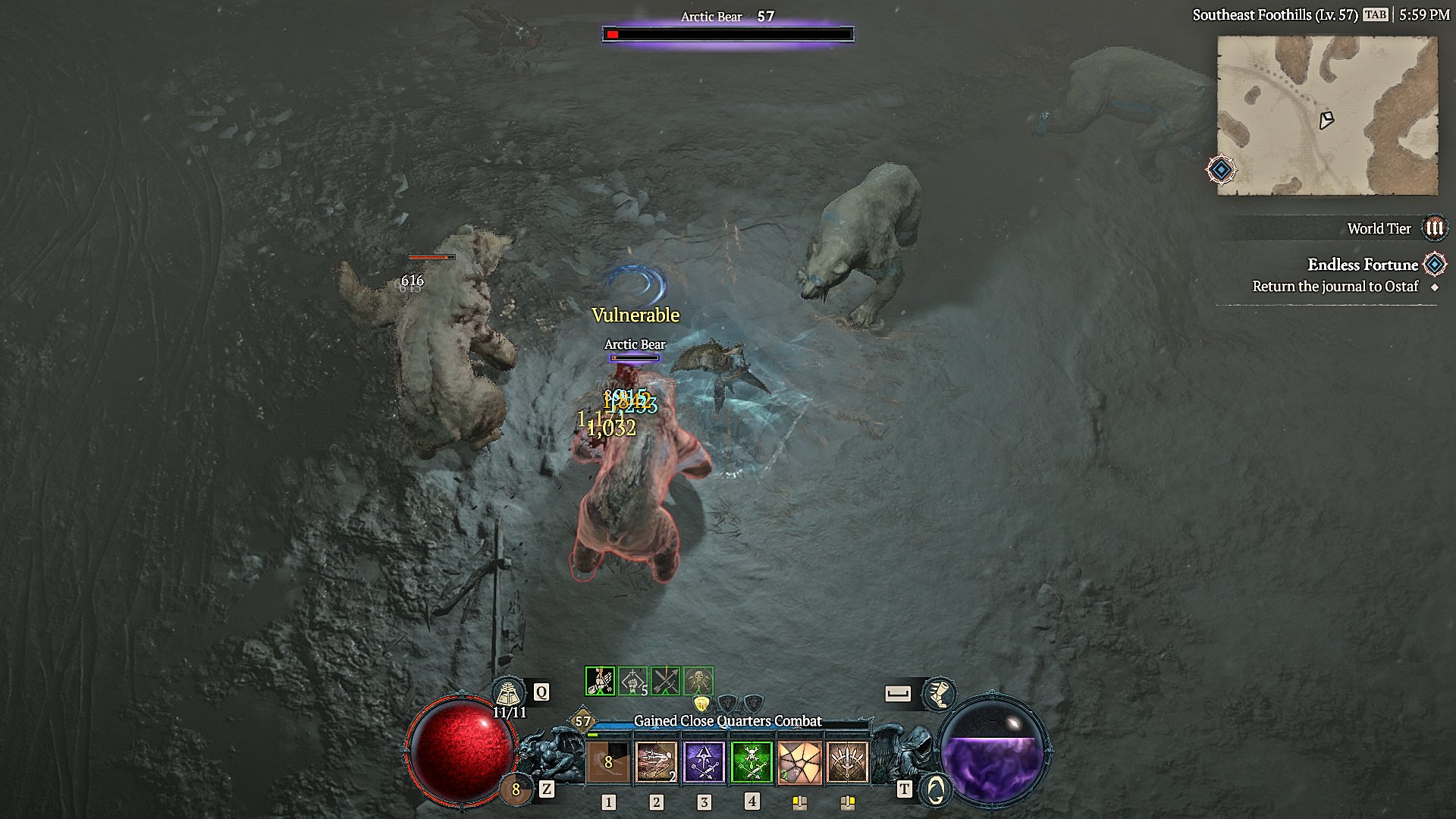
No plan survives contact with real enemies. After you assemble the first version of a build, set a short test routine. Run a Nightmare dungeon at your current power, fight a tough elite, and note where you lose health or run out of resource. Those moments show which stat deserves your next upgrade.
Record changes one at a time. If you swap an aspect, adjust a Paragon node and change a skill in the same session, you will not know which change helped. Small, deliberate steps teach you more about your class than any guide, and they make later respecs much quicker.
Remember too that the meta shifts between seasons. A build that dominated last time may be adjusted, so keep your plan flexible and be ready to learn new interactions as developers rebalance classes.
Risks and Terms to Keep in Mind
Using any outside service has consequences. Blizzard’s terms of service restrict unauthorized services and account sharing, and the publisher decides how to respond. Nothing a provider says can change that, and nobody can promise your account will be unaffected.
If you still want to explore the idea, protect yourself. Use a unique password, enable two factor authentication, never install unknown software, and keep records of what you agreed to. Be realistic about what you stand to lose. A long lived character, with all of its gear and Paragon investment, is hard to replace.
Learning Your Class the Efficient Way
The best way to learn a build is deliberate practice. Run a few Nightmare dungeons, note which attacks hurt you, and adjust your defences. Fight a boss repeatedly until the mechanics become second nature. Watch your resource bar and learn the rhythm of when to spend and when to wait.
Use community guides to speed up the process, but treat them as starting points. Respec when something does not feel right, because Diablo 4 makes changing your mind affordable enough to experiment. Keep a short log of what worked at each stage. When a new season arrives, you will start with experience rather than guesses.
In the end, build planning is a conversation between you and your class. Whether you level slowly, run with friends, or decide a shortcut suits your life, understanding your skills, gear and Paragon choices will always make the next hour in Sanctuary more enjoyable.