



Trade leagues introduce a parallel game layered on top of progression. Prices fluctuate, strategies evolve, and perceived value shifts constantly. Alongside opportunity comes pressure—the sense that falling behind the market means falling behind entirely.
This article explores trade league psychology and the pressure players feel to keep up with the market.
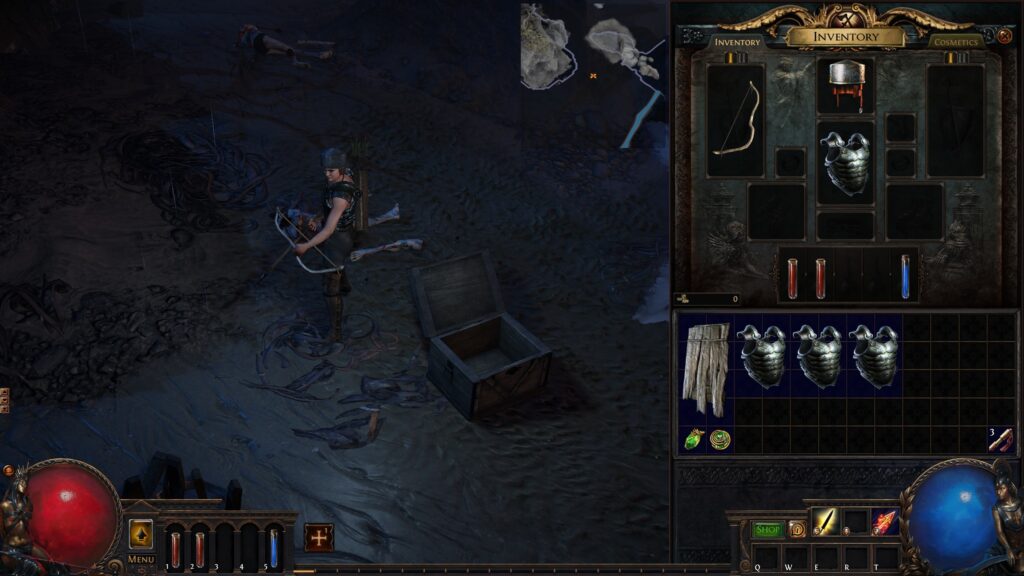
Visibility Turning Progress Into Comparison
Public pricing and listings expose progress. Players measure success not just by power, but by purchasing ability.
Awareness breeds tension.
Fear of Missing Value
Market movement creates urgency. Holding currency too long feels risky.
Inaction feels like loss.
Time Pressure Reshaping Play Decisions
Players adjust behavior to chase efficiency. Enjoyment sometimes yields to optimization.
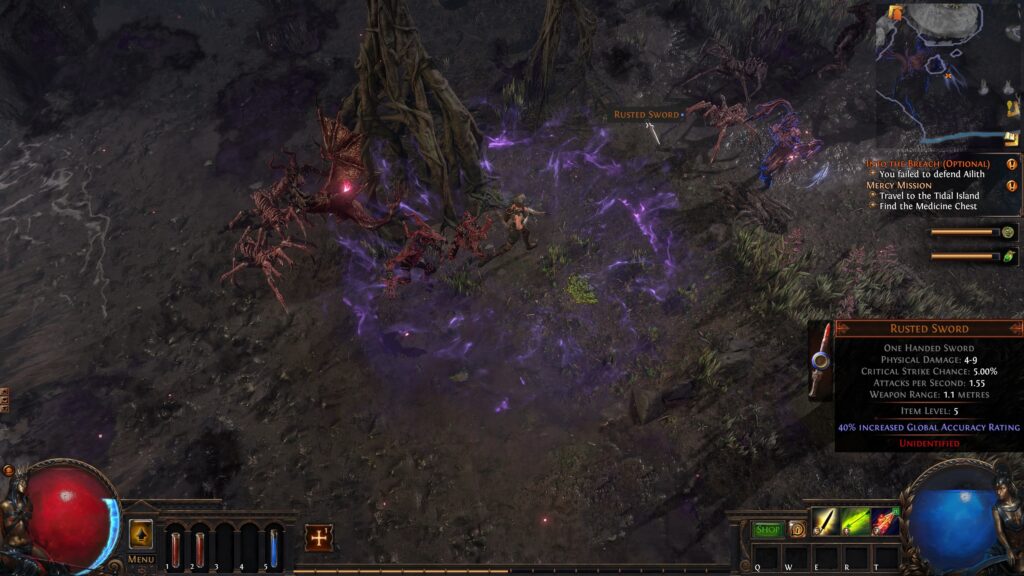
Market pace dictates rhythm.
Common Psychological Responses to Trade Pressure
Players tend to react in recognizable ways.
| Response | Behavior Change | Long-Term Effect |
|---|---|---|
| Overtrading | Constant buying and selling | Increased fatigue |
| Market avoidance | Ignoring prices entirely | Slower progression |
| Selective engagement | Targeted trading only | Balanced stability |
Redefining “Keeping Up”
Players who last longest adjust expectations. Success becomes personal rather than comparative.
Perspective restores control.
Why the Pressure Never Fully Disappears
As long as markets exist, movement invites comparison. The challenge lies in managing response.
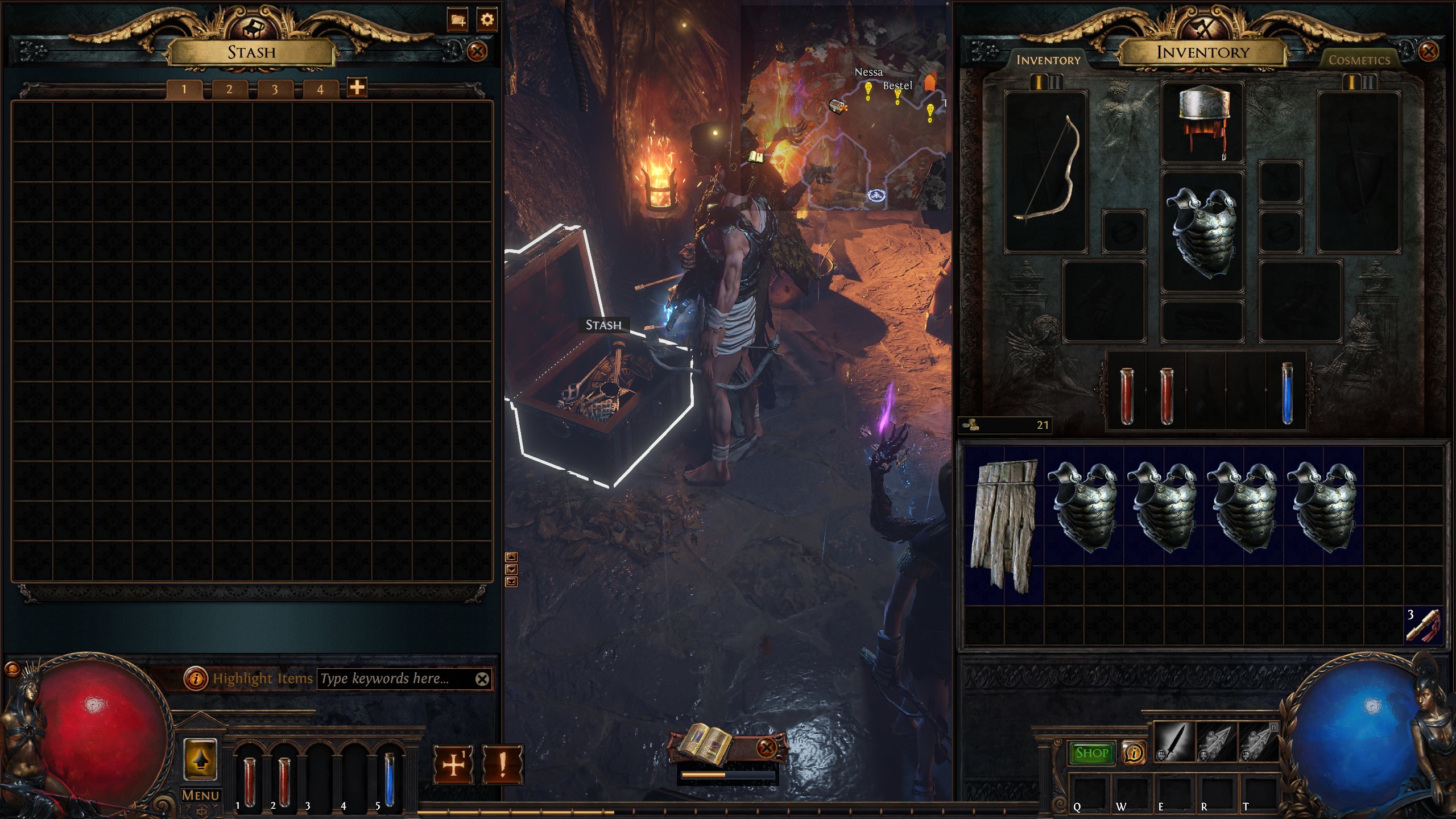
Awareness requires discipline.
Conclusion
Trade league psychology creates pressure by making progress visible and relative. Through selective engagement and reframed expectations, players regain balance. Mastery of the market begins with mastery of response.