
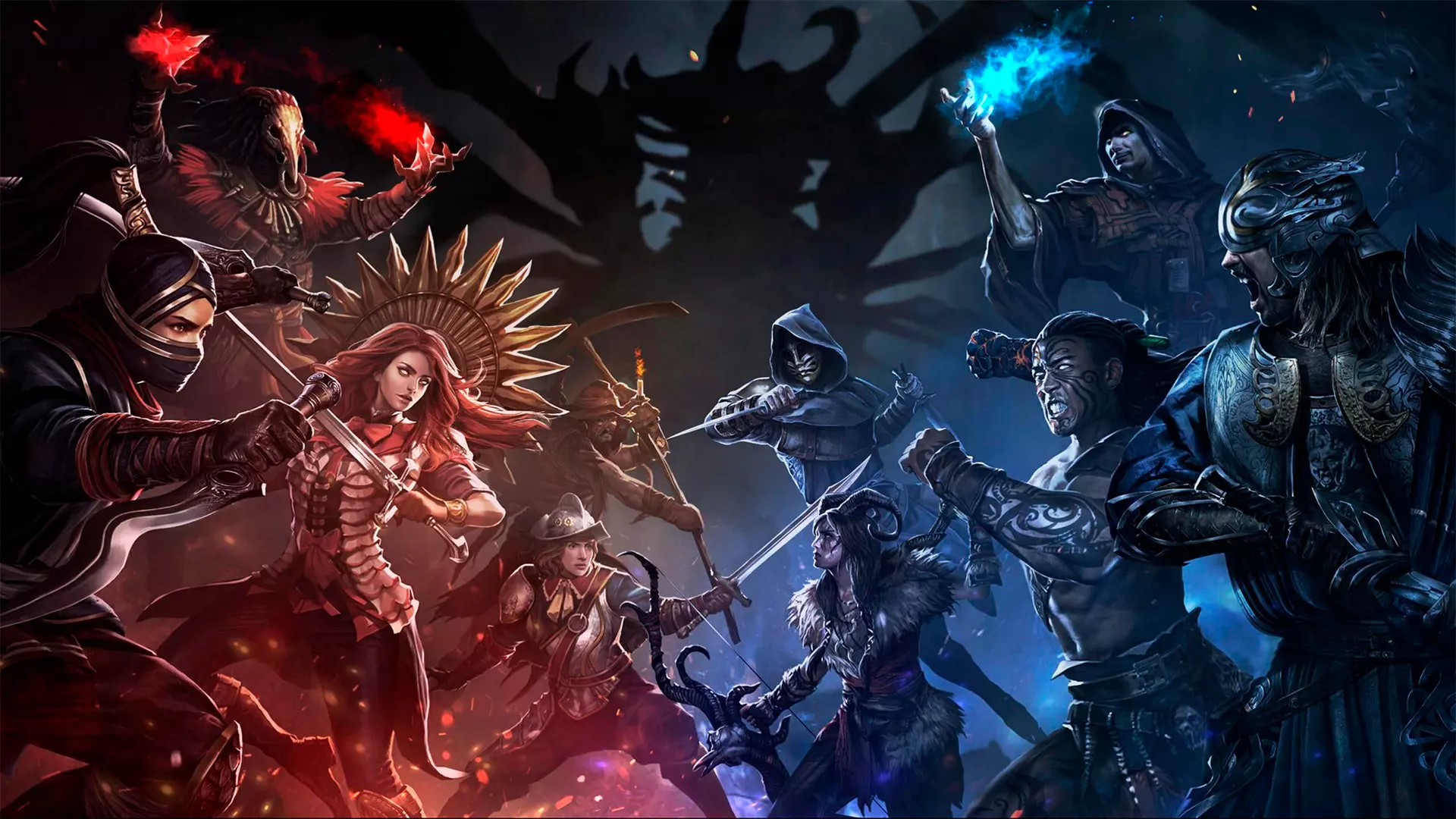
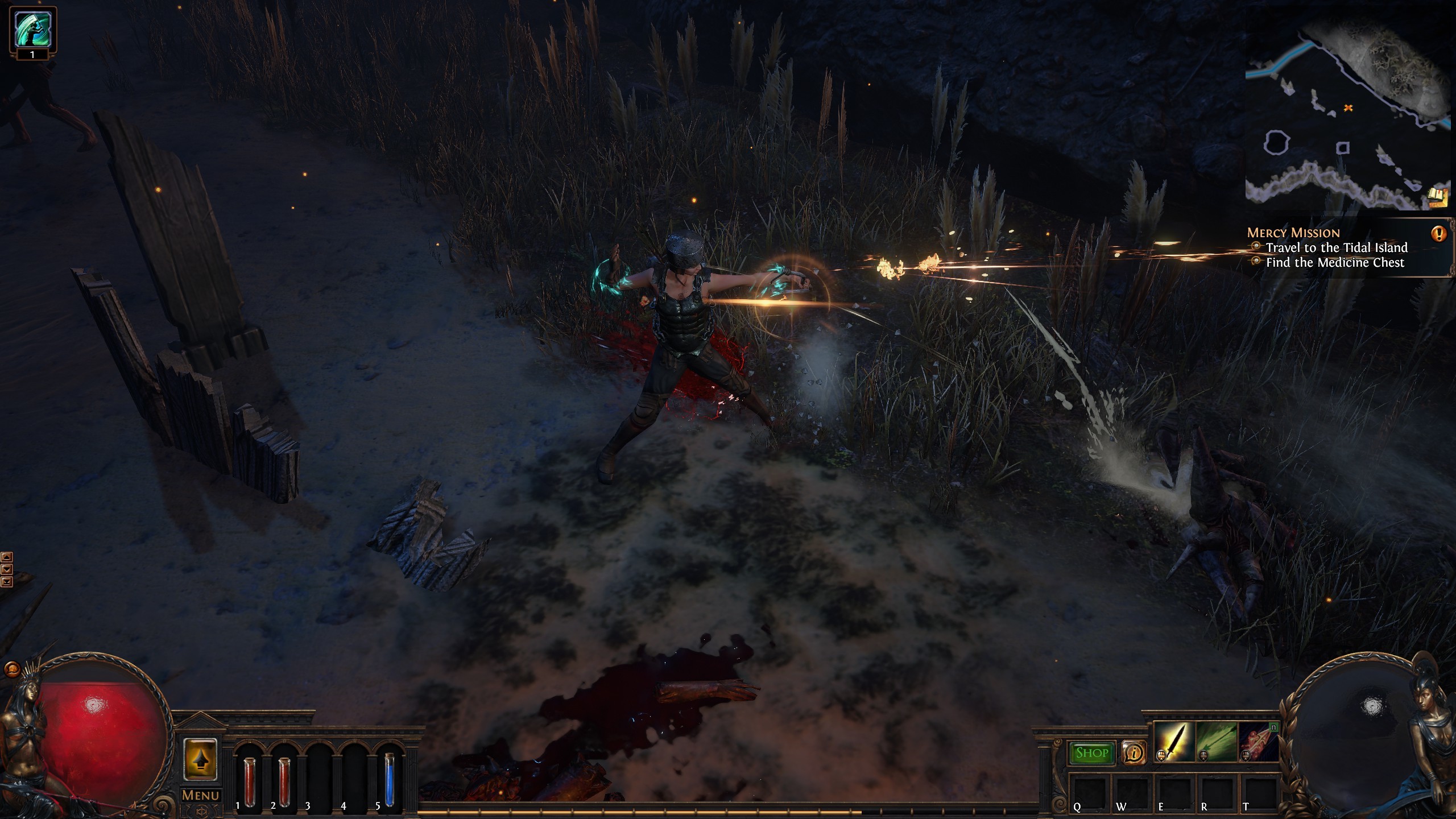

Midgame build collapse in Path of Exile is one of the most discouraging moments a player can experience. Progress feels smooth through the campaign and early mapping, only to stall suddenly as defenses fail, damage falls behind, or mechanics become overwhelming. This collapse often arrives without a single dramatic failure, instead emerging through repeated near-deaths, slow clears, or mounting frustration. Players realize something fundamental is wrong, yet the solution is rarely obvious. At this point, momentum breaks and the game demands reflection rather than action. The midgame becomes a crossroads where decisions carry long-term consequences for both the character and the player’s motivation.
Why Midgame Exposes Hidden Weaknesses
The midgame acts as a stress test because it removes many of the safety nets present earlier. Enemy damage scales faster, mechanics overlap more frequently, and recovery windows narrow. Builds that relied on raw damage or leveling momentum suddenly face sustained pressure. Defensive shortcuts taken earlier—such as delayed resistances, minimal recovery, or shallow mitigation—become impossible to ignore. Because early success masked these weaknesses, the collapse often feels unfair. In reality, midgame content simply demands coherence, revealing whether a build’s systems support one another or merely coexist.
The Emotional Weight of Realization
Discovering that a build is failing midgame carries emotional weight beyond mechanics. Players feel invested in time, currency, and identity. The realization that progress may require significant change triggers resistance, denial, or frustration. Many attempt to push through without addressing root causes, hoping that better drops or more levels will resolve the issue. This emotional attachment delays effective action, allowing problems to worsen. Accepting collapse requires separating personal effort from mechanical reality, a difficult but necessary mental shift.
The Crossroads Between Salvage and Restart
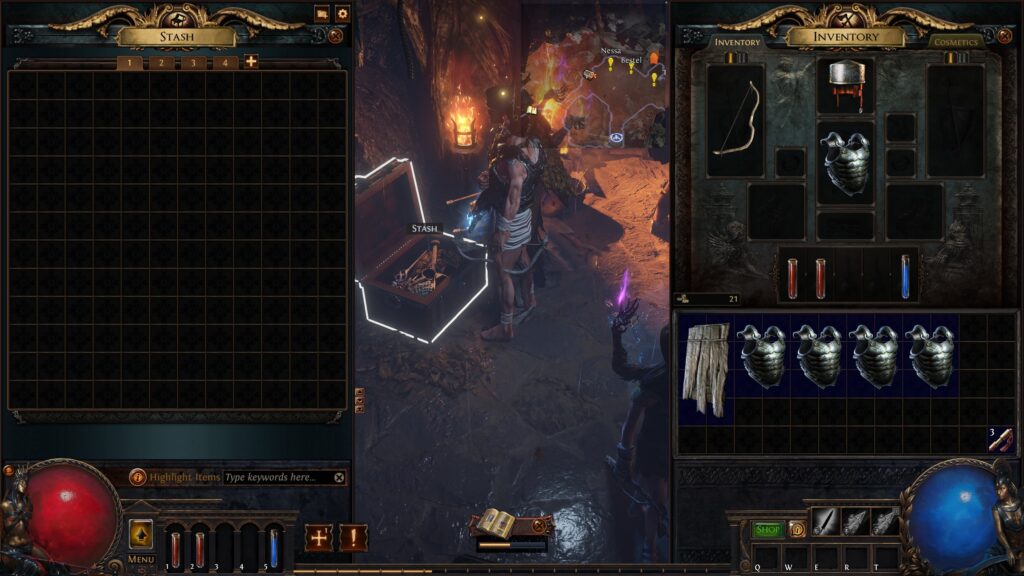
Once collapse is acknowledged, players face difficult choices. Salvaging a build may require extensive respecs, gear replacement, or mechanical relearning. Restarting offers a clean slate but discards investment. Neither option is strictly correct; both carry opportunity cost. The decision often hinges on emotional readiness rather than efficiency. Some players value recovery and adaptation, while others prefer resetting momentum. Understanding personal tolerance for friction helps guide this choice more reliably than external advice.
Hard Decisions Players Commonly Face After Collapse
Midgame failure forces players to confront several uncomfortable but defining decisions that shape the remainder of the league.
- Whether to rework the build’s core concept or abandon it entirely
- How much currency to invest before results are guaranteed
- Whether to lower content difficulty to stabilize progression
- When to stop pushing and preserve motivation
These decisions are rarely mechanical alone; they reflect how players balance persistence against enjoyment.
Growth Emerging From Collapse
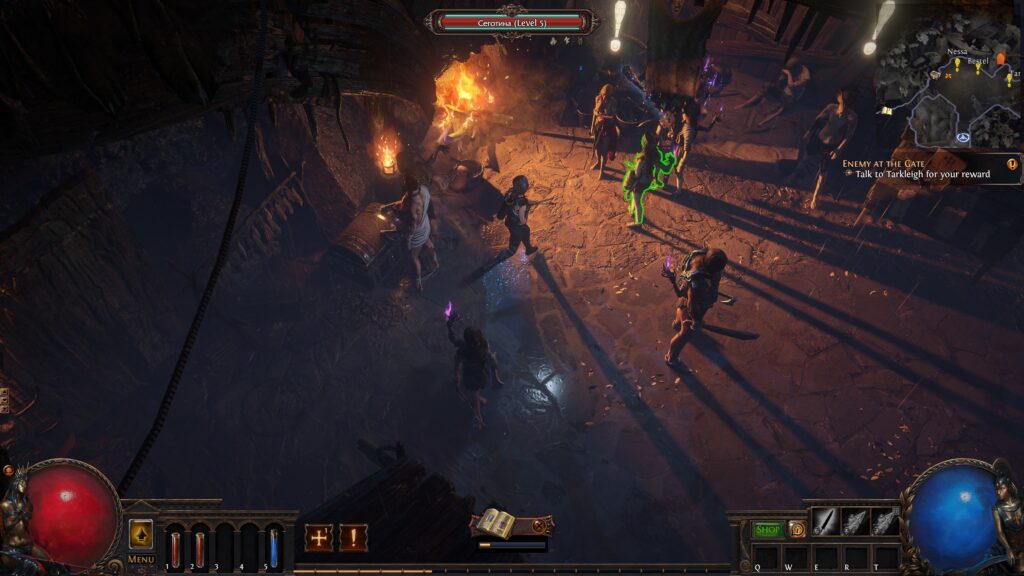
While discouraging, midgame collapse often produces long-term growth. Players learn to evaluate builds more critically, prioritize defenses earlier, and respect scaling limits. These lessons carry forward into future characters, reducing the likelihood of repeated failure. Collapse becomes instructional rather than terminal, provided the player reflects rather than rushes. Over time, experienced players come to recognize midgame friction not as a setback, but as feedback signaling where understanding must deepen.
Conclusion
Midgame build collapse marks a turning point where Path of Exile demands honesty and adaptation. The hard decisions that follow test patience, attachment, and self-awareness. Whether through salvage or restart, players who confront collapse thoughtfully emerge with stronger judgment and resilience. In this way, failure becomes an integral part of long-term mastery.