
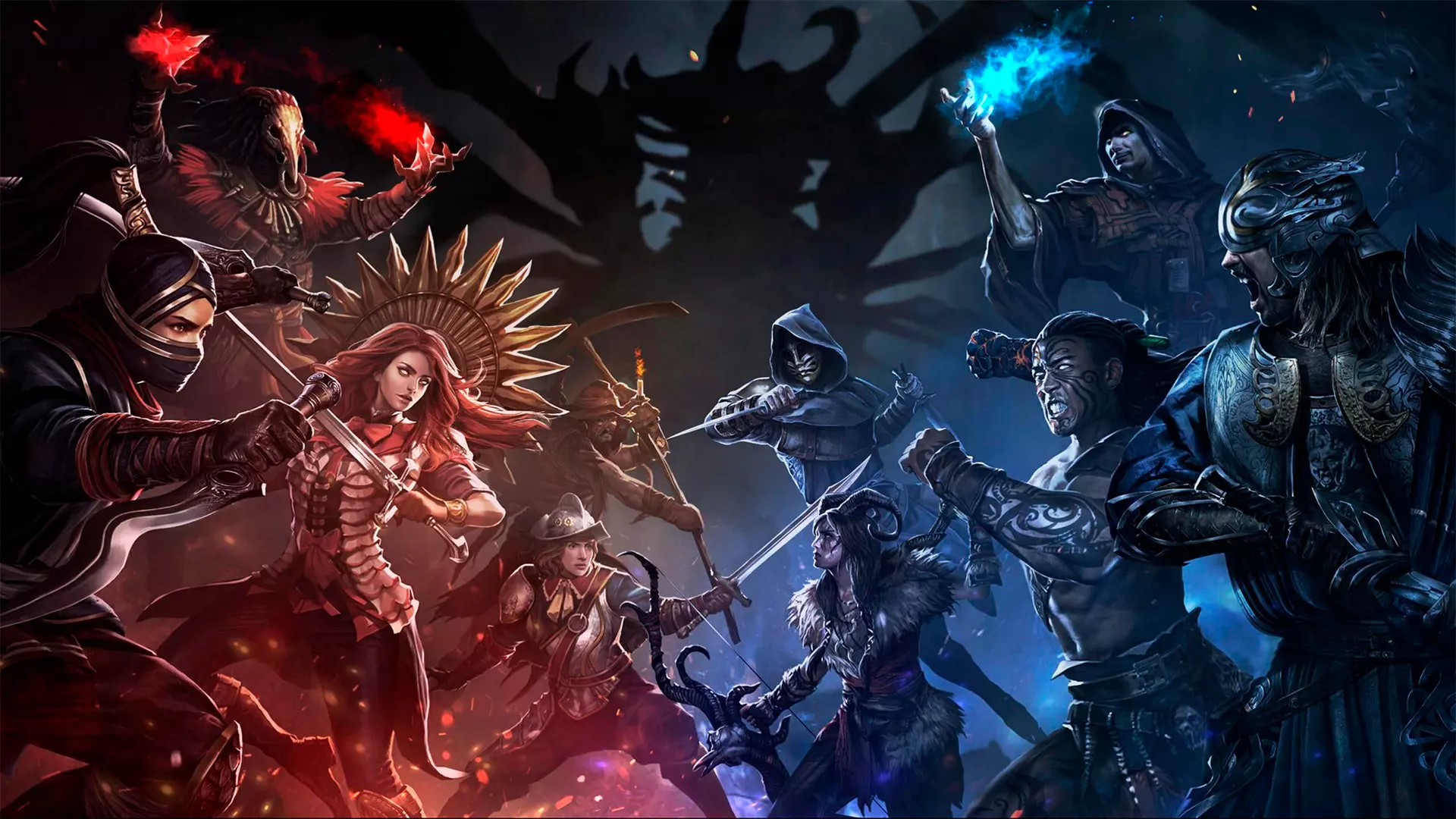
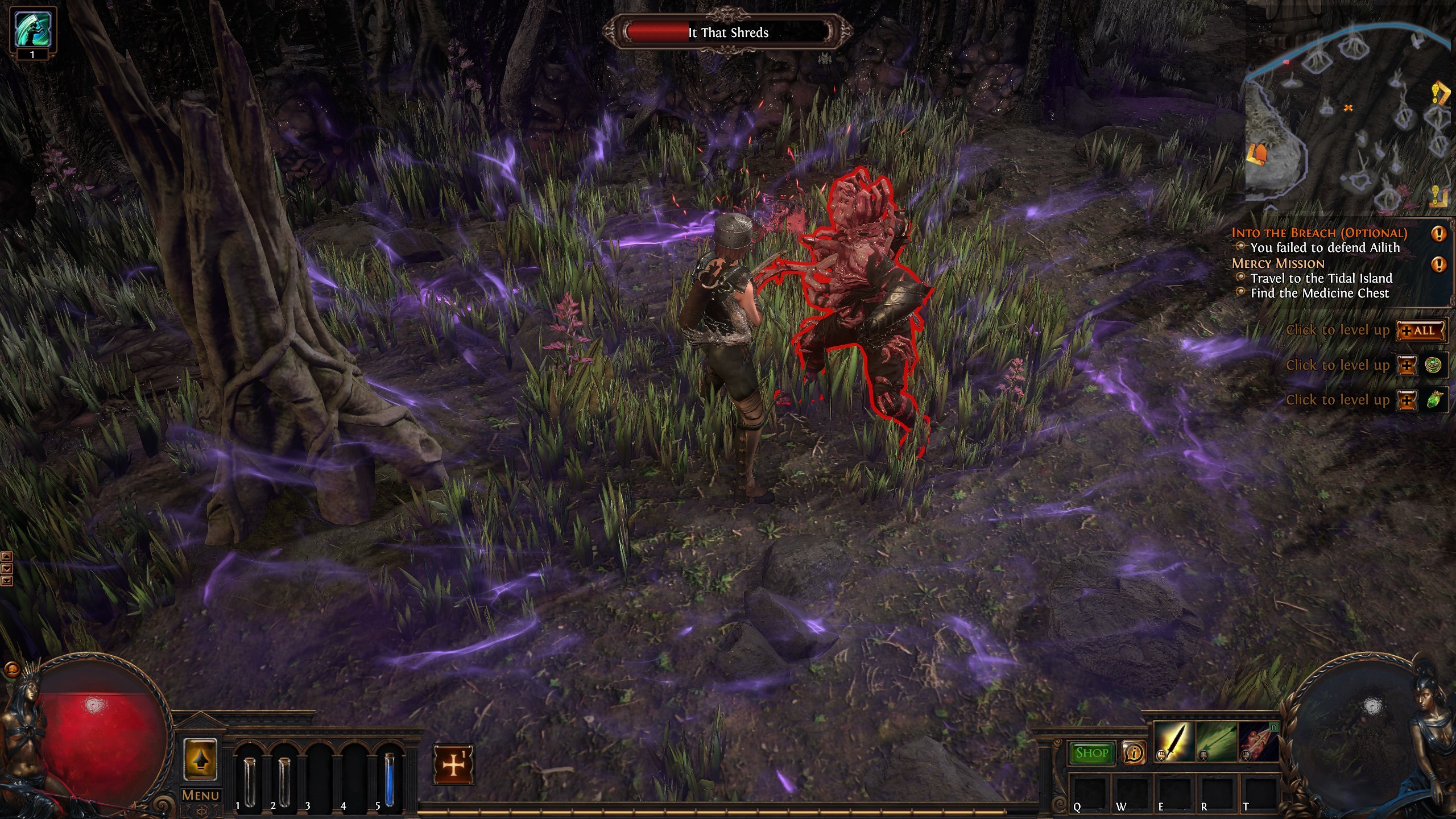

Hardcore mode in introduces a psychological weight that fundamentally changes how players experience the game. The permanent loss of a character reframes every decision, turning routine encounters into moments of heightened awareness. Progress is no longer measured solely by efficiency or speed, but by survival under constant risk. This environment amplifies emotional investment, as each hour spent represents something fragile.
The stress does not come from difficulty alone, but from the knowledge that a single mistake—whether mechanical, strategic, or momentary—can erase weeks of effort. Hardcore mode transforms play into an exercise in emotional regulation as much as technical skill.
How Permanent Loss Changes Player Psychology
The knowledge that death is final alters how players process information. Threats feel sharper, mistakes feel heavier, and hesitation becomes common. Players scan environments more carefully, overprepare for encounters, and often avoid unfamiliar content entirely. This caution is not cowardice; it is adaptation. Hardcore mode teaches players to value consistency and restraint, reshaping priorities away from risk-taking.
Over time, this constant vigilance creates mental fatigue, as sustained focus is required even during content that would feel trivial elsewhere. The psychological cost accumulates quietly, influencing both enjoyment and endurance.
The Weight of a Single Error
When a Hardcore character dies, the emotional impact often outweighs the mechanical consequence. Players replay the moment repeatedly, questioning decisions, timing, and preparation.
This rumination is intensified by the permanence of the outcome. Unlike soft failures, which invite immediate recovery, Hardcore deaths demand acceptance. The loss can produce frustration, regret, or even reluctance to continue. For many, the hardest part is not rebuilding, but overcoming the emotional barrier to starting again. The memory of loss lingers, shaping future behavior long after the event.
Stress Management as a Survival Skill
Successful Hardcore players develop stress management techniques alongside mechanical mastery. They learn to recognize fatigue, step away before focus deteriorates, and avoid playing under emotional strain. These habits reduce mistakes but require discipline. Managing stress becomes a survival skill, as emotional instability often precedes fatal errors. Players who ignore this dimension may possess strong builds yet still fail due to lapses in judgment caused by exhaustion or frustration.
Common Emotional Pressures in Hardcore Mode
Hardcore play introduces recurring emotional pressures that influence decision-making throughout progression.
- Fear of unfamiliar encounters leading to avoidance
- Overcautious play reducing enjoyment and momentum
- Heightened frustration after near-death experiences
- Reluctance to re-engage after character loss
Recognizing these pressures helps players respond intentionally rather than reactively.
Why Players Keep Returning Despite the Cost
Despite the emotional toll, many players return to Hardcore mode repeatedly. The intensity creates a sense of meaning that softer modes cannot replicate.
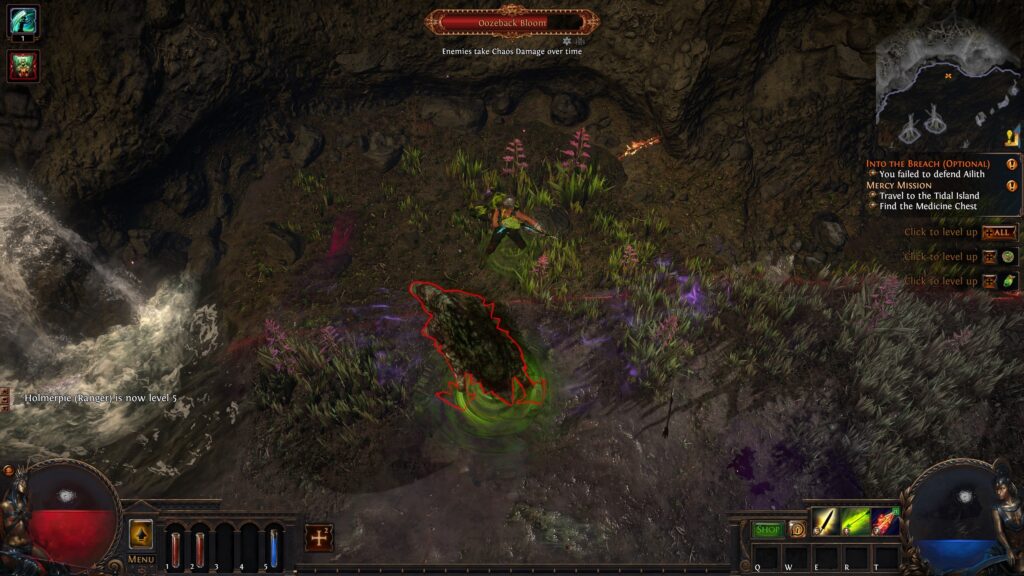
Success feels earned, and survival becomes its own reward. The emotional cost is balanced by heightened satisfaction, as every achievement carries weight. Hardcore mode appeals to players seeking depth beyond mechanics, offering an experience defined by consequence and commitment.
Conclusion
Hardcore mode stress in Path of Exile stems from emotional investment amplified by permanent loss. The cost of one mistake is measured not just in progress, but in memory and motivation.
Players who endure learn that survival depends as much on emotional discipline as on build strength. In Hardcore, mastery is defined by calm under pressure as much as mechanical skill.