

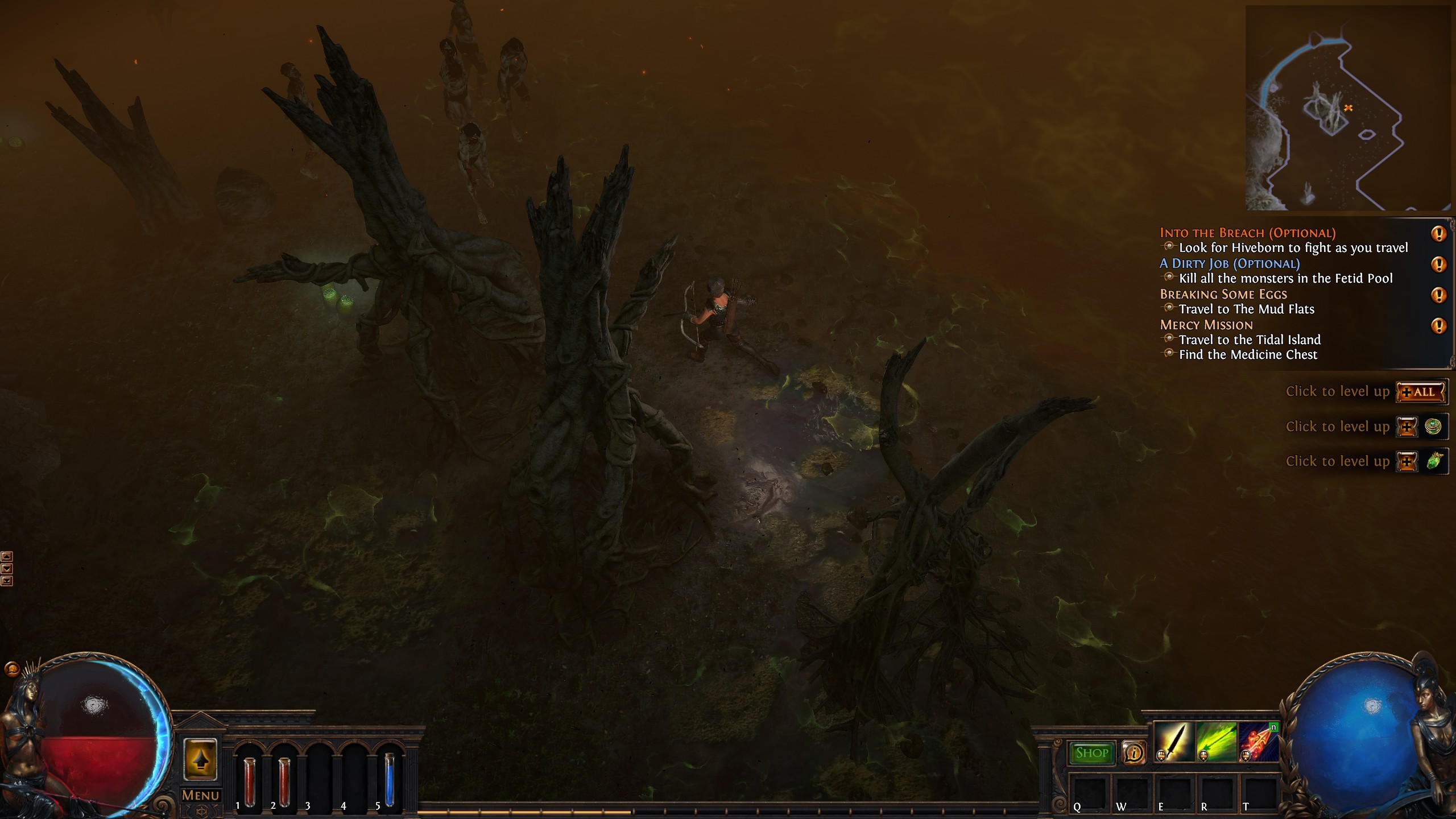

Damage scaling traps in are among the most common reasons promising builds collapse prematurely. Early success often masks structural weaknesses, creating a false sense of security. Builds clear early content comfortably, encouraging further investment along the same path. However, as difficulty increases, scaling limitations emerge abruptly. Damage plateaus, survivability suffers, and progression slows to a crawl.
These failures are rarely sudden; they are the delayed result of early decisions that prioritized immediate gains over sustainable scaling. Understanding these traps is essential for long-term build viability.
Early Power Creating False Confidence
Many damage scaling traps originate from early power spikes. Skills or mechanics that feel overwhelming during leveling often rely on flat damage or temporary multipliers that do not scale into endgame.
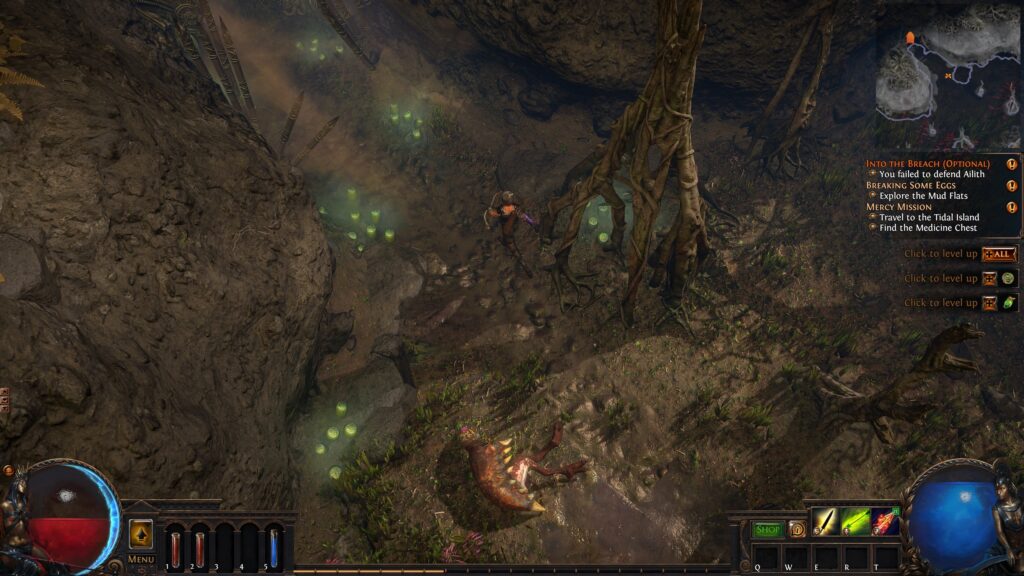
Players interpret this strength as proof of long-term potential, investing heavily without considering future interaction with defenses, enemy scaling, or diminishing returns. By the time limitations appear, significant resources and time have already been committed, making course correction difficult both mechanically and emotionally.
Overinvestment in Single Scaling Vectors
Another common trap involves overcommitting to a single damage scaling vector. Builds that rely exclusively on one multiplier—such as a specific ailment, mechanic, or conversion—become fragile when that vector encounters resistance.
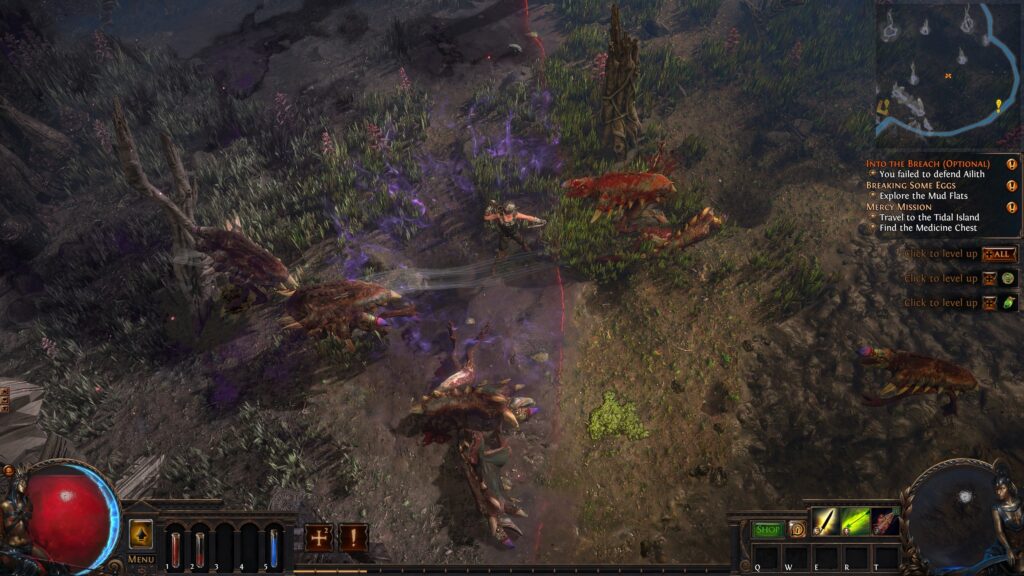
Endgame content frequently challenges narrow scaling by introducing immunities, mitigation, or sustained pressure. Without secondary scaling paths, damage stagnates. This rigidity forces players into uncomfortable choices between abandoning the build or accepting diminished effectiveness.
Neglecting Survivability During Damage Planning
Damage scaling traps often coincide with neglected defenses. Players chasing damage frequently delay survivability investments, assuming they can address them later. When damage scaling falters, the build is exposed on both fronts, lacking offense and defense simultaneously. This double failure accelerates collapse, as content becomes dangerous and slow at the same time. Survivability is not merely defensive; it enables sustained damage by allowing players to remain engaged longer.
Common Damage Scaling Traps Players Encounter
While builds vary widely, damage scaling failures tend to follow recognizable patterns.
| Scaling Trap | Early Appeal | Late Game Consequence |
|---|---|---|
| Flat damage reliance | Strong leveling power | Severe endgame plateau |
| Single mechanic dependence | Clear identity | Vulnerability to counters |
| Delayed defenses | Fast early clears | Rapid survivability collapse |
Identifying these patterns early allows players to adjust before collapse becomes inevitable.
Planning for Longevity Instead of Peaks
Avoiding damage scaling traps requires planning for longevity rather than early dominance. Builds that integrate multiple scaling paths, balanced defenses, and adaptability endure longer and progress more smoothly.
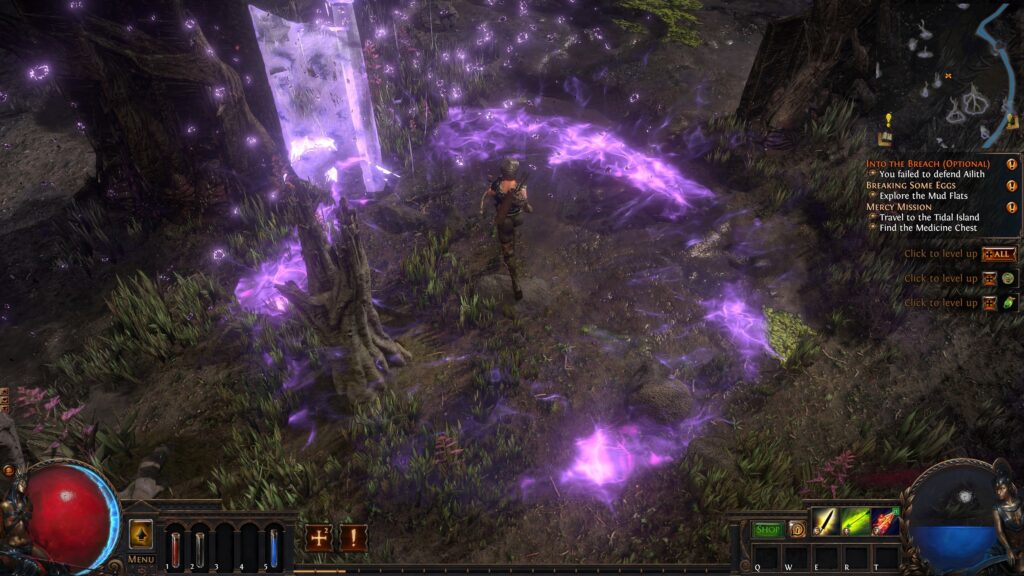
This approach may feel slower initially but prevents abrupt stagnation. Players who value sustainability experience fewer restarts and greater satisfaction over time. Longevity transforms promising builds into successful ones.
Conclusion
Damage scaling traps end promising builds not through sudden failure, but through delayed consequences of early decisions.
By recognizing false confidence, avoiding rigid scaling, and integrating survivability early, players can preserve momentum into endgame. In Path of Exile, lasting success favors foresight over immediate spectacle.