

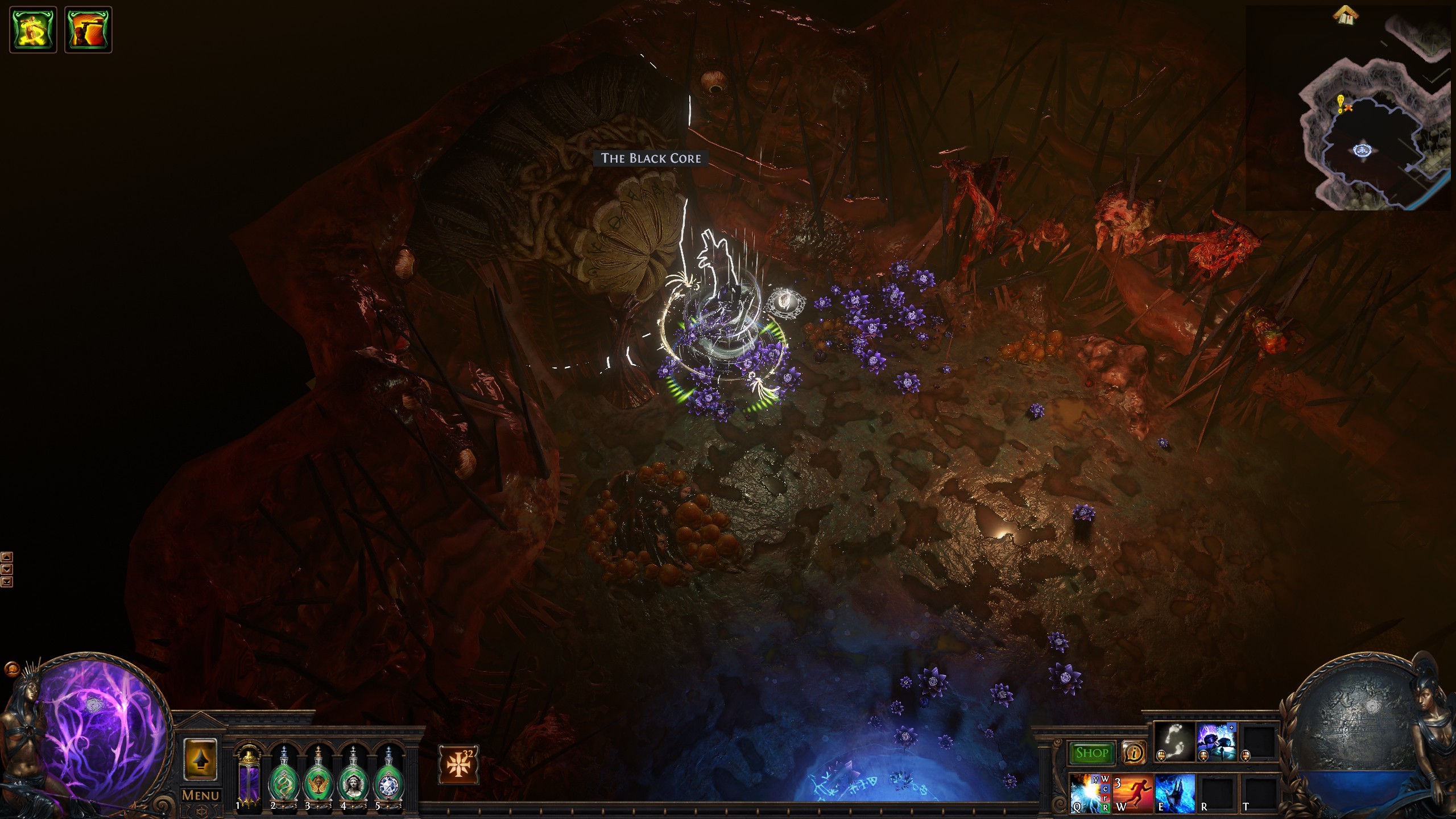

The Atlas of Worlds in Path of Exile is the cornerstone of the game’s endgame content. It introduces a system of maps, bosses, and challenges that provide players with a new avenue for progression after completing the main story.
However, the Atlas system is much more than just a set of new maps to explore; it changes the way players engage with the game’s loot and progression mechanics. In this article, we’ll examine the Atlas system’s impact on map farming, how it drives endgame progression, and why it remains one of Path of Exile’s most important and engaging systems.
The Basics of the Atlas System
At its core, the Atlas system is a massive map of interconnected areas, each of which contains multiple maps that players can run. As players progress through the main story, they gain access to maps, which are randomly generated areas that feature monsters, bosses, and loot. These maps are placed on the Atlas, and players can upgrade their maps, place modifiers on them, and track their progress through the system.
The Atlas is divided into regions, each with a set of maps associated with it. Players can progress through the Atlas by completing these maps and unlocking higher-tier maps, eventually working their way up to the most challenging content in the game. However, the real depth of the Atlas system comes from the various modifiers and bonuses that players can add to their maps. These modifiers can increase the difficulty of the maps, but they also increase the loot and rewards, encouraging players to push further into the endgame.
- Atlas Structure: The Atlas is divided into regions, each with its own set of maps and modifiers.
- Progression Through Maps: As players complete maps, they unlock higher-tier maps that offer more challenging content and better rewards.
- Modifiers and Bonuses: Players can add modifiers to their maps to increase difficulty and loot, making the Atlas a system of continuous progression and risk-reward.
The Role of Map Farming in the Atlas System
Map farming is one of the most important aspects of the Atlas system. As players complete maps, they gain resources, loot, and experience, but the real value comes from the currency and items they can acquire through farming. Maps drop from monsters and bosses, and players can use currency to enhance their maps, adding extra difficulty and rewards. The more difficult a map becomes, the better the potential loot drops, which incentivizes players to farm higher-tier maps and unlock the full potential of their Atlas progression.
The Atlas system also introduces a new layer of depth to map farming: the concept of map modifiers. Players can add various mods to their maps using *Sextants*, *Orb of Alchemy*, and other currency items, which can increase monster density, add new bosses, and provide extra loot drops. This means that map farming becomes not just about completing maps, but about creating the optimal farming experience by carefully selecting mods that align with the player’s goals and desired loot.
Impact on Endgame Progression and Content
The Atlas system plays a crucial role in driving endgame progression in Path of Exile. Once players have completed the main story and unlocked the Atlas, they are faced with the task of completing the various map regions and bosses. The real endgame of Path of Exile revolves around upgrading maps, completing endgame bosses, and acquiring powerful loot that allows players to craft even better gear. The introduction of the *Uber Bosses* and *Endgame Invitations* further extends the endgame progression, requiring players to use their Atlas progress to unlock more challenging and rewarding encounters.
As players advance through the Atlas, they encounter increasingly difficult challenges that require specialized builds and strategies. Completing these challenges and defeating Uber bosses allows players to farm the highest-tier loot, including rare crafting materials and powerful items. The dynamic nature of the Atlas ensures that there’s always something new to chase in the endgame, making it a central system for long-term progression.
- Endgame Bosses: Uber bosses and Endgame Invitations provide players with the most difficult and rewarding content in the game, extending the challenge of the Atlas system.
- Map Scaling: As players progress through the Atlas, they unlock higher-tier maps that become progressively harder but offer better rewards.
- Loot and Crafting: Map farming and Atlas progression play a huge role in acquiring the rarest loot, which is essential for crafting high-tier items.
The Atlas and Player Agency
One of the most important aspects of the Atlas system is how it grants players agency over their endgame progression. Unlike other games where endgame content is linear and fixed, the Atlas allows players to choose how they progress by selecting which regions and bosses to focus on. This flexibility is a key reason why the Atlas system is so popular—it gives players the freedom to pursue their own goals and play at their own pace.
Players can choose to focus on farming maps for loot, pushing through difficult bosses, or completing special challenges like the *Shaper* and *Elder* fights. The choices players make in how they approach the Atlas directly impact their progression, ensuring that no two playthroughs feel the same. This player-driven approach to endgame content ensures that the Atlas system remains exciting and engaging, with players constantly discovering new ways to interact with the system.
Conclusion: The Atlas System as the Heart of Endgame
The Atlas system is one of the most engaging and dynamic aspects of Path of Exile’s endgame. With its expansive map system, modifiers, and tiered progression, it gives players countless opportunities to farm, craft, and fight.
The introduction of new challenges, Uber bosses, and a variety of loot options ensures that the Atlas remains relevant and exciting, even after years of gameplay. For players seeking to master the endgame and reach the highest levels of progression, the Atlas is the ultimate system for achievement and reward.